Back to Catalog
Pharmaceutical Chemistry
L-Threonine
Formula:
C₄H₉NO₃
GOST/CAS:
CAS: 72-19-5
L-Threonine (pharmaceutical grade) is a highly purified essential amino acid that serves as a crucial building block for protein synthesis in living organisms. The substance appears as a white crystalline powder or colorless crystals, odorless, with a slightly sweet taste, and is highly soluble in water. In the pharmaceutical industry, L-Threonine is a key ingredient in the production of parenteral nutrition solutions, complex amino acid formulations, drugs supporting central nervous system (CNS) functions, as well as specialized dietary and medical supplements.
Applications
Production of Infusion Solutions: Used as a mandatory component in complex amino acid solutions for parenteral nutrition. It ensures the maintenance of protein balance in patients during postoperative periods or in cases of severe malnutrition.
Pharmaceutical Formulation: Applied in the synthesis of medications aimed at regulating muscle tone, improving metabolism in brain tissues (including nootropic and anxiolytic complexes), and stimulating the immune system.
Specialized and Dietary Nutrition: Included in the formulations of medical, sports, and infant dietary nutrition to accelerate tissue regeneration, collagen, and elastin synthesis, as well as to support gastrointestinal tract health.
Cosmeceuticals and Dermatology: Incorporated into therapeutic creams and serums to accelerate wound healing, stimulate cellular turnover, and boost the synthesis of dermal structural proteins.
Key Advantages
High Purity Grade (Ph. Eur. / USP): Complies with the strictest international pharmacopoeia standards, guaranteeing minimal impurity content, heavy metals control, and the complete absence of endotoxins.
Excellent Bioavailability: As an optically pure L-isomer, it is easily and fully absorbed by the body, immediately integrating into metabolic pathways and endogenous protein synthesis.
Immune and GI Tract Support: Actively participates in antibody production and the formation of the protective intestinal mucosal barrier, preventing pathogen penetration.
Formulation Stability: Features outstanding processability and excellent compatibility with other amino acids, vitamins, and excipients in both liquid and solid dosage forms.
Storage & Transportation
- Store in dry, clean, light-protected, and well-ventilated warehouse premises in tightly closed original packaging, away from heat sources and foreign odors.
- Recommended temperature range: +5 °C to +25 °C. Avoid sudden temperature fluctuations to prevent product caking.
- Protect from moisture and direct sunlight.
- Transportation is permitted by all modes of covered transport in compliance with the cargo carriage regulations applicable to each transport type. The material is non-hazardous and does not belong to any hazard class.
- Shelf Life: 3 years from the date of manufacture (provided original packaging integrity and airtightness are maintained).
Technical Specifications
Appearance
White crystalline powder or colorless crystals
Molecular Weight
119.12 g/mol
Assay (on dried basis)
≥ 99.0%
Specific Optical Rotation
-27.6° to -29.0°
pH (5% aqueous solution)
5.0 – 6.5
Loss on Drying
≤ 0.2%
Residue on Ignition (Sulfated Ash)
≤ 0.1%
Supply info
- Multi-wall paper bags with a polyethylene inner liner of 25 kg (standard for powder forms).
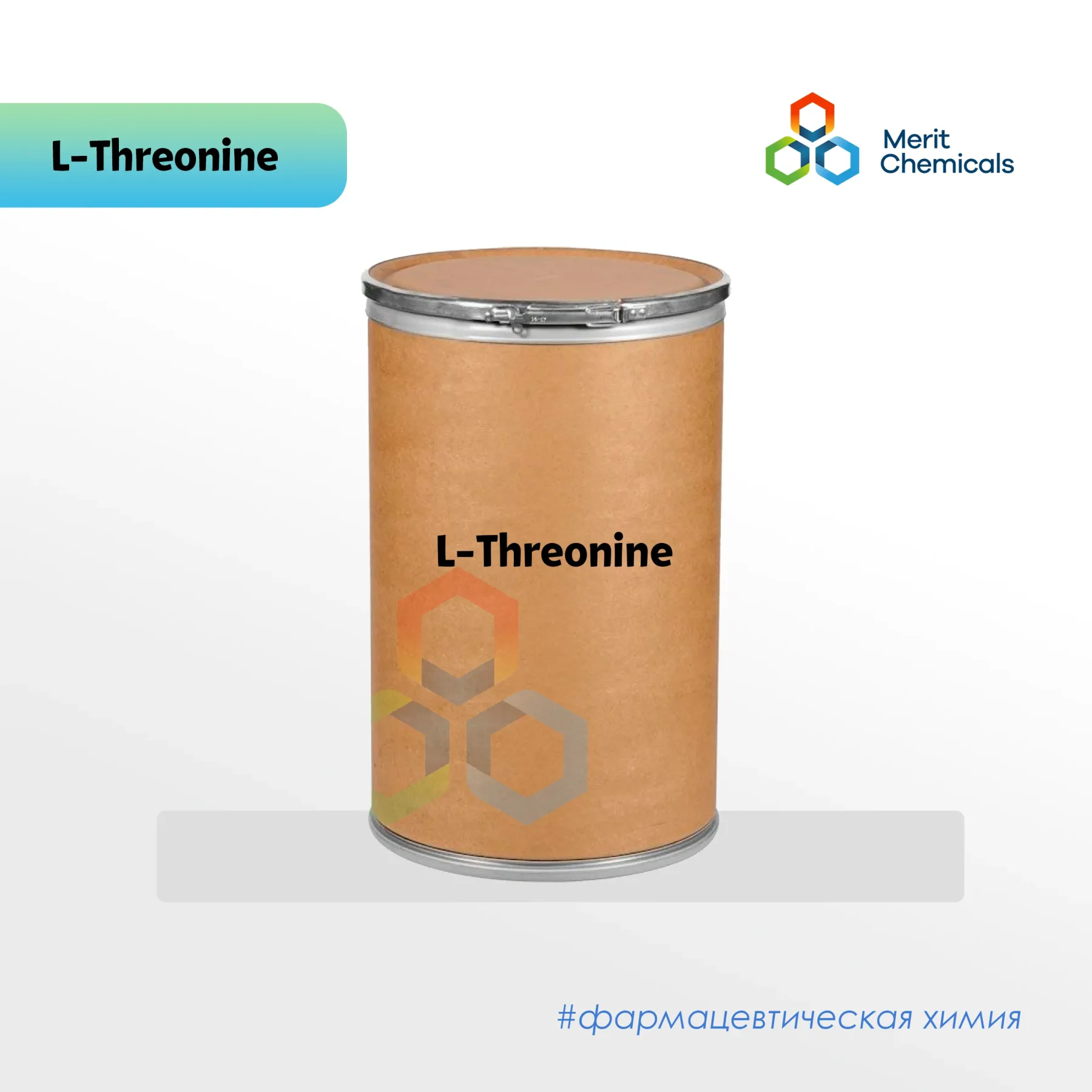
- Pharmaceutical fiber drums of 25 kg with a double sealed inner plastic liner.
- Custom packaging into smaller container sizes is available upon request for laboratory, pilot, or small-scale R&D batches.