Back to Catalog
Pharmaceutical Chemistry
Chloramphenicol
Formula:
C11H12Cl2N2O5
GOST/CAS:
CAS 56-75-7
Chloramphenicol is a highly effective, broad-spectrum antibiotic that serves as a core active pharmaceutical ingredient (API) for the production of finished dosage forms. The product appears as a white to greyish-white or yellowish-white, crystalline powder or crystalline plates. It is odorless and has an intensely bitter taste. Characterized by a potent bacteriostatic action, it is highly active against a wide range of Gram-positive and Gram-negative microorganisms. Due to its exceptional stability and high penetration capacity, it remains an indispensable raw material for formulating advanced antibacterial treatments in the modern pharmaceutical industry.
Applications
Ophthalmic Drops and Ointments Production: Acts as the primary Active Pharmaceutical Ingredient (API) in ophthalmology for manufacturing treatments targeting conjunctivitis, keratitis, blepharitis, and other bacterial eye infections.
Topical Medications: Utilized in the formulation of liniments, ointments, and gels intended for treating purulent skin lesions, infected wounds, burns, trophic ulcers, and pressure sores.
Solid and Liquid Oral Dosages: Used as the active substance in the manufacturing of tablets, capsules, and oral suspensions designed for systemic therapy of severe bacterial infections (e.g., typhoid fever, salmonellosis, chlamydial infections).
Veterinary Medicine: Widely applied in the production of veterinary antibacterial powders, ointments, and solutions to treat broad-spectrum bacterial infections in livestock and companion animals.
Key Advantages
Broad-Spectrum Antibacterial Efficacy: Highly effective against microbial strains resistant to penicillin, streptomycin, and sulfonamides. It rapidly inhibits protein synthesis within bacterial cells.
High Purity (Pharma-Grade Quality): Fully complies with the stringent requirements of leading pharmacopoeias (BP, USP, EP, ChP), guaranteeing minimal impurity profiles and consistent therapeutic performance.
Excellent Bioavailability & Process Stability: Easily withstands technological processing steps during manufacturing (such as blending, granulating, and tableting) while retaining stable physical and chemical properties within the final formulation.
Proven Clinical Track Record: A classic, thoroughly documented antibiotic with a predictable pharmacological profile, making it a reliable staple for both hospital and retail pharmaceutical sectors.
Storage & Transportation
- Store in clean, dry, cool warehouse areas in the tightly closed original packaging, protected from direct sunlight and away from heat sources.
- Recommended storage temperature: +15°C to +25°C. Avoid sudden temperature fluctuations and high humidity environments.
- As a potent active substance, storage and handling must strictly comply with national regulations governing pharmaceutical raw materials.
- Transportation is permitted via all types of covered transport vehicles, provided temperature controls are maintained and the cargo is shielded from weather elements. Shelf life ranges from 3 to 5 years from the date of manufacture (depending on the manufacturer's specific technical documentation).
Technical Specifications
Appearance
White, greyish-white or yellowish-white crystalline powder or crystalline plates
Assay (On Dried Basis)
98.5% – 101.0%
Melting Point
149°C – 153°C
Solubility
Slightly soluble in water, freely soluble in alcohol (96%), soluble in ethyl acetate
Specific Optical Rotation
+18.5° to +20.5°
Loss on Drying
Not more than 0.5%
Sulfated Ash
Not more than 0.1%
Supply info
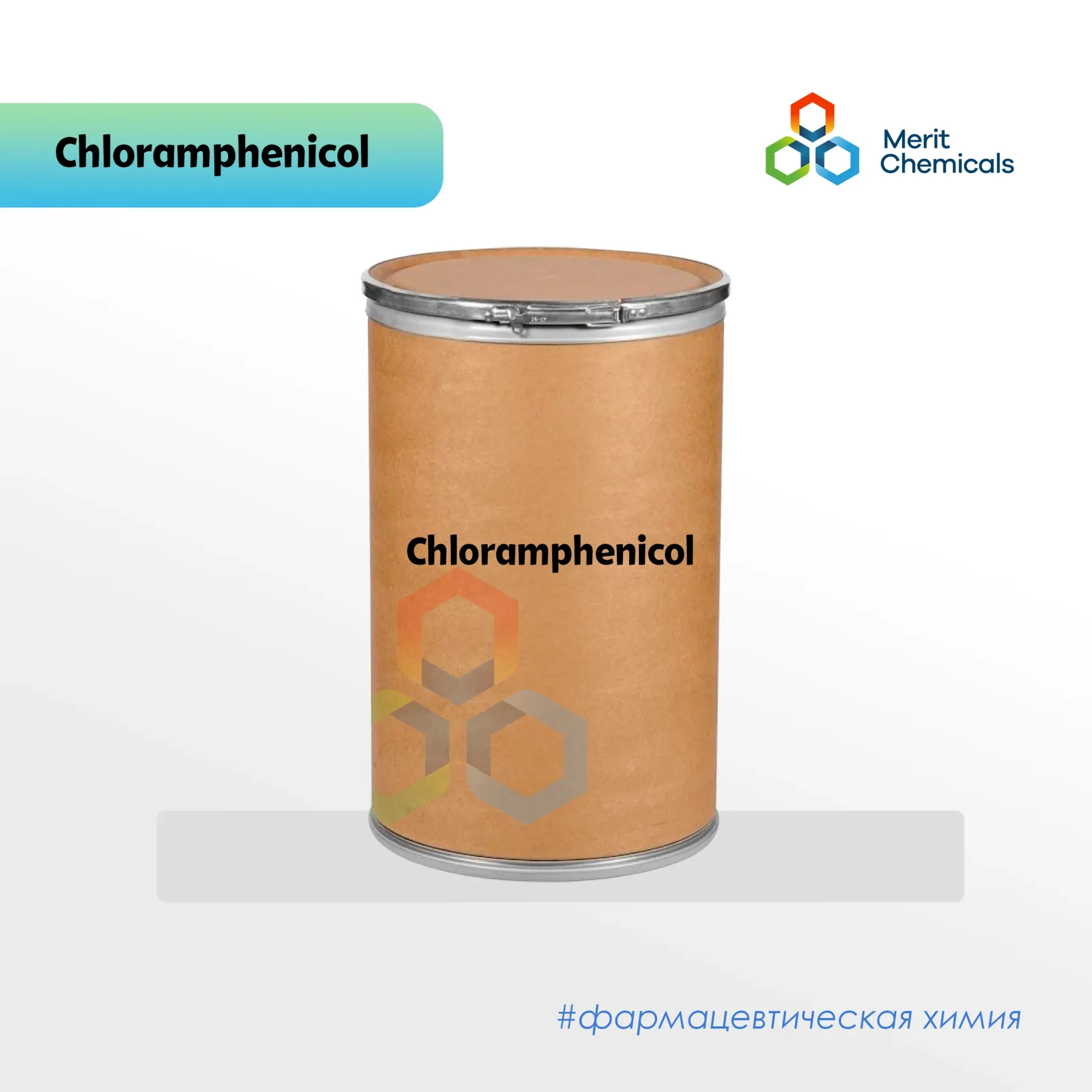
- Packed in fiber or plastic drums with a secure, double-layered internal polyethylene liner, net weight 25 kg.
- Customized small-scale packaging is available upon request for laboratory use, R&D, and pilot production runs.