Back to Catalog
Pharmaceutical Chemistry
L-Ornithine L-Aspartate
Formula:
C₉H₁₉N₃O₆
GOST/CAS:
CAS 3230-94-2
L-Ornithine L-Aspartate (highly purified Active Pharmaceutical Ingredient) is a stable complex of two non-essential amino acids (L-ornithine and L-aspartic acid), serving as a key component in the production of hepatoprotective medications. The product is a white or almost white crystalline powder, highly soluble in water. Due to its ability to effectively activate metabolic pathways, reduce toxic ammonia levels in the blood, and stimulate liver cell regeneration, this substance is indispensable in the pharmaceutical industry and the manufacturing of high-efficiency dietary supplements.
Applications
Pharmaceutical Manufacturing (Hepatoprotectors): Used as the primary active ingredient in the formulation of infusion concentrates, oral solutions, granules, and tablets for treating acute and chronic liver diseases (cirrhosis, hepatitis, fatty liver degeneration) as well as hepatic encephalopathy.
Pharmaceutical Infusion Solutions: Applied in the production of hospital-grade medicines for emergency detoxification, rapidly lowering blood plasma ammonia concentrations and optimizing protein metabolism.
Dietary Supplements (Nutraceuticals): Included in complex formulations designed for liver protection, supporting detoxification pathways, and alleviating metabolic syndrome symptoms.
Sports Medicine & Specialized Nutrition: Utilized in formulations for athletes on high-protein diets to accelerate the elimination of protein breakdown byproducts, reduce fatigue, and maintain a positive nitrogen balance.
Key Advantages
High Detoxification Capacity: Effectively binds and eliminates ammonia by stimulating urea synthesis (in the ornithine cycle) and glutamine synthesis, significantly reducing the toxic load on the central nervous system.
Synergy of Two Amino Acids: The combination of ornithine and aspartate provides comprehensive repair of damaged hepatocytes, enhances intracellular metabolism, and optimizes mitochondrial function in liver cells.
Pharmaceutical Purity (Ph.Eur. / USP): The substance is manufactured in strict compliance with international GMP standards, guaranteeing minimal impurity levels, the absence of heavy metals, and consistent microbiological purity.
Safety and Biocompatibility: As an endogenous compound natural to the body, the product is well-tolerated, biodegradable, and poses no environmental hazard when disposed of in accordance with regulations.
Storage & Transportation
- Store in dry, light-protected, and well-ventilated warehouse premises in tightly sealed original packaging.
- Recommended storage temperature: 2°C to 8°C (in a cool place) or in compliance with the manufacturer's specification (not exceeding 25°C), protected from heat sources.
- Protect from direct sunlight and moisture exposure (the product is hygroscopic).
- Transportation is permissible by all types of covered transport, subject to temperature control regulations for cargo. The material is not classified as a dangerous good.
- Shelf Life: 2–3 years from the date of manufacture (provided the original factory packaging remains intact).
Technical Specifications
Appearance
White or almost white crystalline powder or crystals
Molecular Weight
265.27 g/mol
Assay
≥ 98.5% - 101.0%
Solubility
Freely soluble in water, practically insoluble in ethanol and organic solvents
pH (5% aqueous solution)
5.0 – 6.5
Specific Optical Rotation
+26.0° to +29.0°
Loss on Drying
≤ 0,5%
Supply info
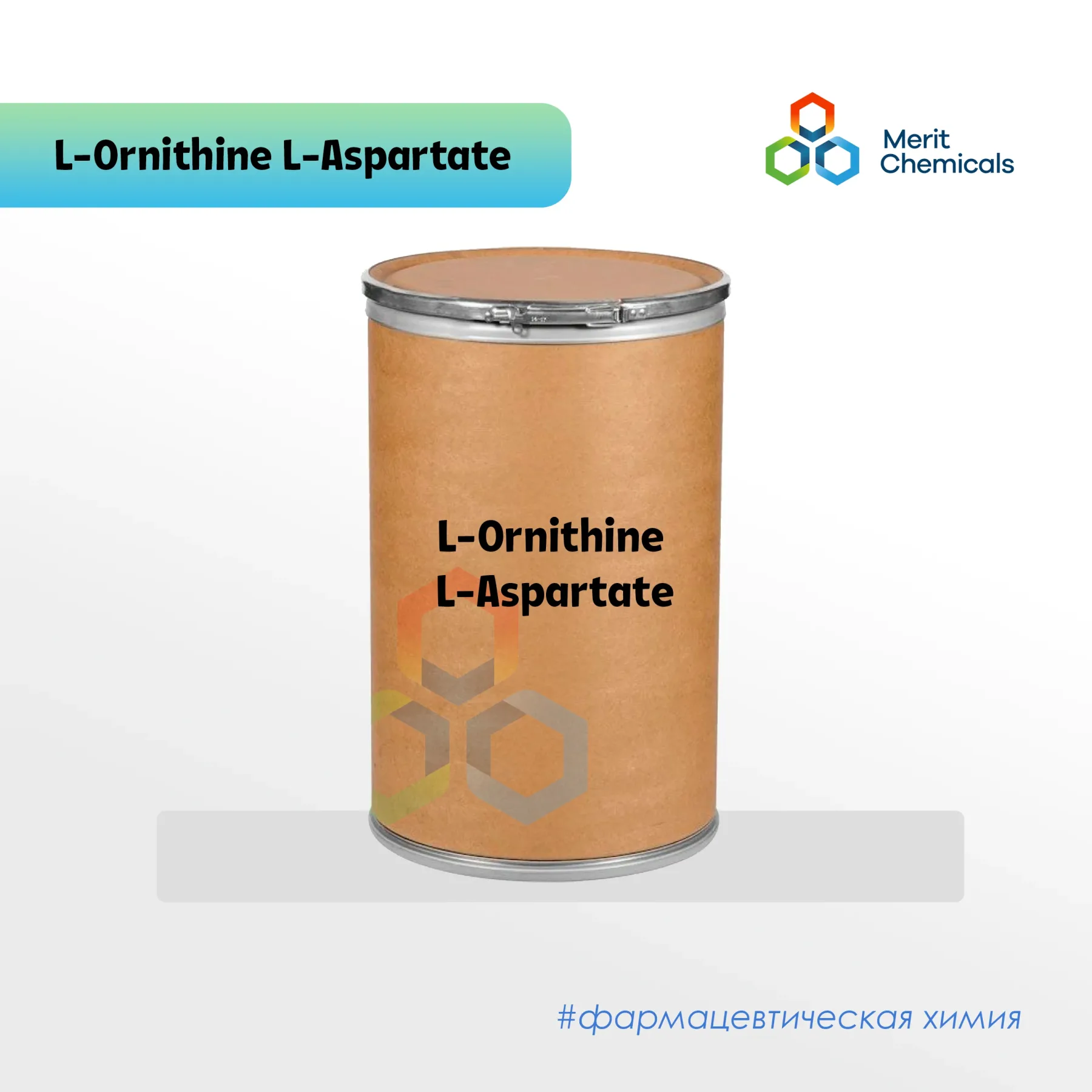
- Industrial fiber drums with double airtight polyethylene inner liners of 25 kg (standard for pharmaceutical raw materials).
- Small-scale packaging in specialized airtight bags of 1 kg and 5 kg for laboratory testing and pilot batches.