Back to Catalog
Pharmaceutical Chemistry
Ethylmethylhydroxypyridine succinate
Formula:
C12H13NO5
GOST/CAS:
CAS 127464-43-1
Ethylmethylhydroxypyridine succinate (highly effective antioxidant and antihypoxant) is a specialized pharmaceutical component (Active Pharmaceutical Ingredient — API) acting as a key agent for protecting cells against oxidative stress and oxygen deprivation (hypoxia). The product is a white to off-white or creamy crystalline powder, freely soluble in water. Due to its ability to efficiently improve tissue metabolism, microcirculation, and blood rheological properties, it is indispensable in the manufacturing of nootropic, cardioprotective, and neuroprotective medicines, as well as specialized therapeutic solutions.
Applications
Injectable Solutions Manufacturing: Used as the primary active substance in the production of ampoule forms for intramuscular and intravenous administration. It ensures high bioavailability and stability of the therapeutic effect.
Solid Dosage Forms: Applied in the pharmaceutical industry for manufacturing tablets and capsules. The optimal physicochemical properties of the powder allow for high dosage uniformity during compression.
Cardiology and Neurology: Included in formulations of drugs aimed at treating acute cerebrovascular disorders, ischemic heart disease, and reducing the manifestations of alcohol withdrawal syndrome.
Specialized Medicine and Ophthalmology: Used as part of complex therapy for glaucoma, retinal vascular pathologies, and in rehabilitation processes after traumatic brain injuries to protect neurons from ischemia.
Key Advantages
High Antioxidant Activity: Effectively binds free radicals, inhibits lipid peroxidation, and significantly increases cell survival rates under hypoxic conditions.
Stability and Chemical Purity: Complies with strict GMP and State Pharmacopoeia standards. It perfectly blends with excipients in both liquid and solid dosage forms.
Membranoprotective Action: Inhibits the degradation of cell membranes, modulates the function of receptor complexes and ion channels, and prolongs tissue viability.
Eco-Friendliness and Safety: The product is fully biocompatible, features a high degree of purification, does not emit toxic volatile organic compounds (VOCs) during processing, and is completely safe for manufacturing when API regulations are followed.
Storage & Transportation
- Store in dry, light-protected, and well-ventilated warehouse premises in tightly closed original manufacturer’s packaging.
- Recommended storage temperature: not exceeding +25 °C. Avoid sudden temperature fluctuations and exposure to moisture.
- Keep away from direct sunlight, strong oxidizing agents, and sources of heat.
- Transportation is possible by all types of covered transport in compliance with the required temperature regime. The material is classified as low-hazardous, but requires strict adherence to pharmaceutical raw material transportation rules. Shelf life is 3 years from the date of manufacture.
Technical Specifications
Appearance
White to off-white or slightly yellowish crystalline powder
Molecular Weight
257.28 g/mol
Assay (on dry basis)
≥ 99.0%
Melting Point
113 – 117 °C
pH (5% aqueous solution)
5.0 – 7.0
Sulfated Ash
≤ 0.1%
Supply info
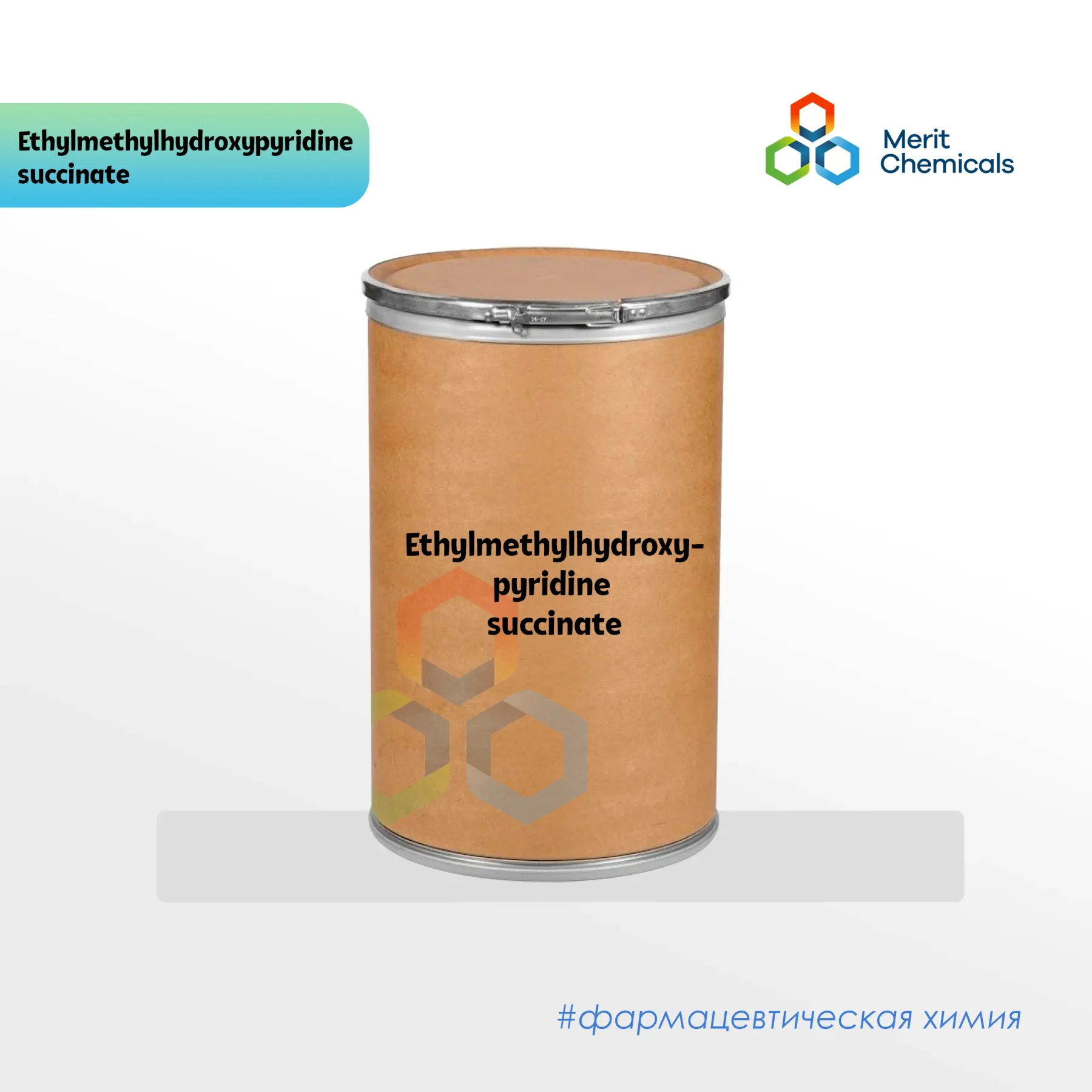
- Pharmaceutical-grade double polyethylene bags packed into plastic drums or fiber drums of 10 kg, 20 kg, or 25 kg net weight (for powder form).
- Customized packaging options for pilot and commercial batches are available upon agreement with the customer.