Back to Catalog
Construction Chemistry
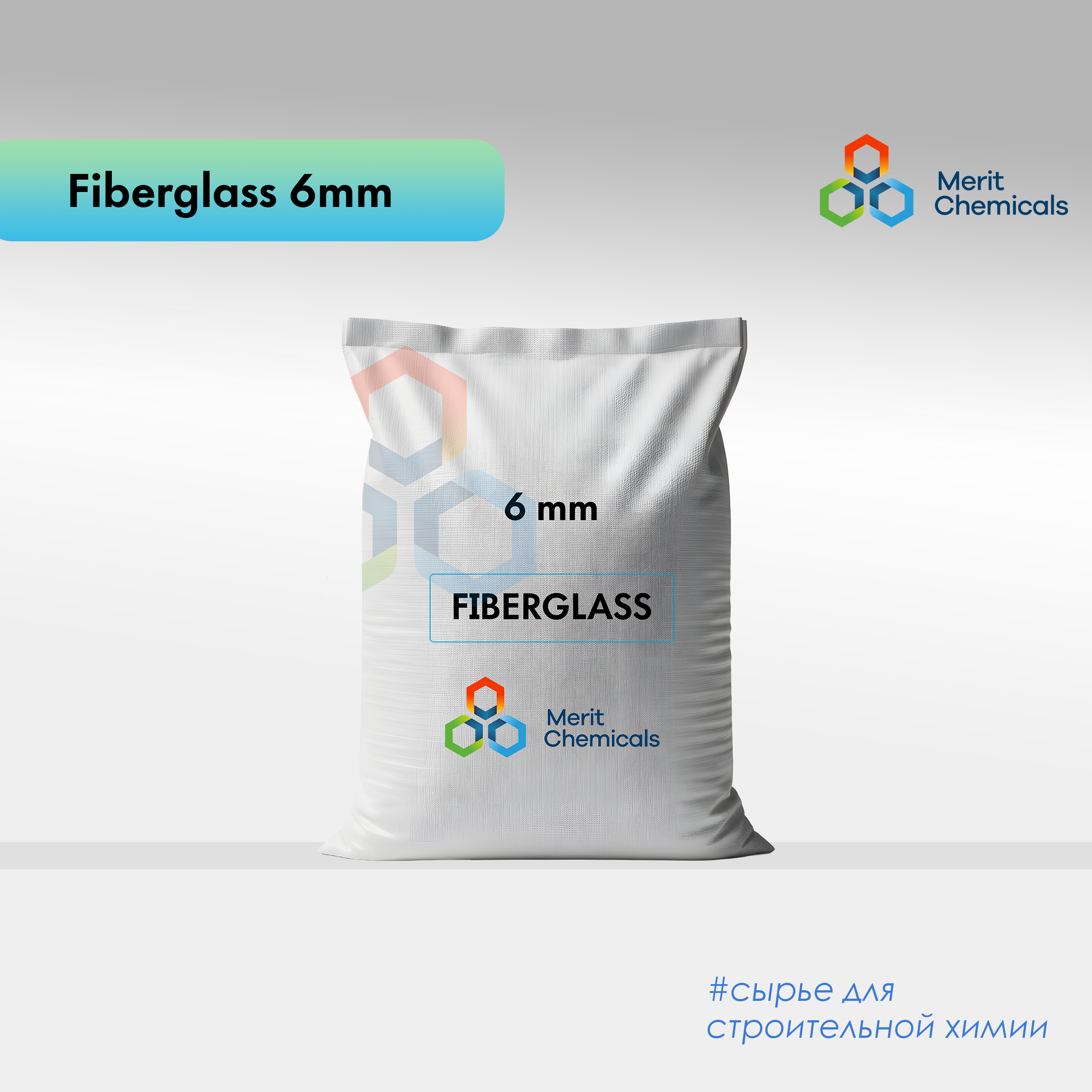
Polypropylene Fiber (Microfiber) 6 mm
Formula:
[- CH_2 - CH(CH_3) - ]n
GOST/CAS:
9003-07-0
Polypropylene Fiber 6 mm is a high-performance micro-reinforcing additive consisting of finely dispersed, specially treated synthetic fibers. It is widely used for the preventive reinforcement of concrete mixes, mortars, and gypsum compositions. Thanks to its uniform distribution throughout the matrix of the mix, the fiber effectively blocks the formation of shrinkage microcracks during the early stages of mortar curing, significantly increasing the strength, wear resistance, and durability of the finished products and surfaces.
Applications
Plastering and Finishing Works: Adding fiber to cement-sand and gypsum plaster mixes prevents cracking and delamination, improves adhesion to the substrate, and facilitates application on vertical surfaces.
Screeds and Self-Leveling Floors: Used in the installation of thin-layer screeds, underfloor heating systems, and self-leveling compounds to minimize shrinkage deformation and enhance crack resistance.
Dry Construction Mortars Production: Acts as an essential component in factory-made repair, waterproofing, and adhesive mortars to improve their physical and mechanical properties.
Small Architectural Forms and Decor: Used in casting facade decor elements, moldings, paving tiles, and concrete fences, ensuring sharp contours and reducing the reject rate during demolding.
Key Advantages
Effective Micro-Reinforcement: The fibers create a three-dimensional mesh inside the matrix, which absorbs internal stresses and stops the development of microcracks at the germination stage.
Reduction of Shrinkage and Cracking: Reduces the volume of shrinkage cracks by up to 90% during the drying and strength-gain process of concrete or mortar.
Increased Wear and Impact Resistance: The surface of the finished product becomes more resistant to abrasion, chipping, dynamic, and impact loads.
Frost and Water Resistance: Due to the reduction of capillary porosity in the material, water absorption is decreased, which significantly increases the number of freeze-thaw cycles.
Ease of Use and Chemical Inertness: Easily distributes during mixing without clumping. Polypropylene is completely resistant to the alkaline environment of cement and is not subject to corrosion.
Storage & Transportation
- Store in dry, covered warehouse facilities protected from prolonged exposure to direct sunlight (UV radiation) and moisture.
- Keep in original sealed packaging away from open flames, heating appliances, and strong oxidizing agents.
- Recommended storage temperature range: from -20°C to +35°C.
- Transportation is possible by all types of covered transport in accordance with cargo transportation rules. The product is classified as non-hazardous (safe for transport).
- Shelf life under proper storage conditions is virtually unlimited (guaranty period — 3 years).
Frequently bought together
Technical Specifications
Appearance
White or semi-transparent individual threads (fibers)
Material
100% virgin polypropylene
Fiber Length
6 mm
Fiber Diameter
~18–30 μm
Cross-Section Shape
Round / profiled
Density
~0.91 g/cm³
Tensile Strength
not less than 350 MPa
Elongation at Break
15–25%
Melting Point
~160–170°C
Chemical Resistance
High (to alkalis, acids, salts)
Supply info
- Industrial Packaging: Multi-wall paper or polyethylene bags, as well as boxes weighing 10 kg, 15 kg, or 20 kg.
- Small Packaging: Water-soluble paper or sealed polyethylene bags of 0.6 kg, 0.9 kg, and 1.0 kg (optimal dosage per 1 m³ of concrete or for retail sale).