Back to Catalog
Pharmaceutical Chemistry
L-Aspartic Acid
Formula:
C4H7NO4
GOST/CAS:
CAS 56-84-8
L-Aspartic Acid (aminosuccinic acid) is an endogenous amino acid that presents as a white crystalline powder, well-soluble in hot water and acid/alkaline solutions. It serves as a vital base component in the production of pharmaceutical preparations, dietary supplements (nutraceuticals), sports nutrition, and is widely utilized in the food industry and organic synthesis (e.g., for the sweetener aspartame). The product plays a key role in metabolism by facilitating the detoxification of ammonia and stimulating energy exchange within the body.
Applications
Pharmaceuticals & Supplements: Used as an active pharmaceutical ingredient (API) for manufacturing medications (such as potassium and magnesium aspartates) aimed at regulating cardiovascular functions, supporting the nervous system, and improving muscle tone.
Food Industry: Applied as a flavor and aroma enhancer, as well as raw material for the production of synthetic sweeteners (aspartame). It is commonly included in specialized nutritional formulas.
Sports Nutrition: A popular ingredient in athletic supplements (including D-isomer forms and complexes) designed to boost endurance, accelerate post-workout recovery, and stimulate hormone production.
Chemical Synthesis & Cosmetics: Serves as raw material for producing polyaspartic acid (a biodegradable polymer) and surfactants. In the cosmetic industry, it functions as a conditioning agent in skin and hair care products.
Key Advantages
High Biological Activity: Participates in the urea cycle and nucleic acid synthesis, efficiently binding toxic ammonia and converting it into safe urea.
Stability & High Purity: Features a premium purification level (not less than 99.0%), remains highly stable under standard storage conditions, and is easily dosed in technological manufacturing lines.
Synergistic Effect: Pairs exceptionally well with alkaline earth metals (magnesium, potassium, calcium), enhancing their bioavailability when formulating medical and nutritional complexes.
Eco-Friendliness & Safety: A natural, fully biodegradable compound. It is non-toxic to personnel and the environment when handled in standard industrial processes.
Storage & Transportation
- Store in a dry, cool, and well-ventilated warehouse in tightly closed original packaging, away from heat sources, moisture, and direct sunlight.
- Recommended storage temperature range: +5°C to +25°C. Avoid damp conditions as the powder is hygroscopic under elevated humidity.
- Transportation is permitted by all types of covered transport in strict compliance with the cargo regulations applicable to each transport mode. The material is not classified as a dangerous good (Non-hazardous under GHS).
- Shelf Life: 2–3 years from the date of manufacture (depending on the specific manufacturer's warranty).
Technical Specifications
Appearance
White crystalline powder or colorless crystals
Assay (Main substance)
≥ 99.0% (on dry basis)
Molecular Weight
133.10 g/mol
Density
1.66 g/cm³
Solubility in Water (at 25°C)
Approx. 5 g/L (significantly increases upon heating)
Specific Optical Rotation
+24.0° to +26.0°
pH (0.5% aqueous solution)
2.5 – 3.5
Supply info
- Multi-wall paper bags with an inner polyethylene liner (25 kg net weight).
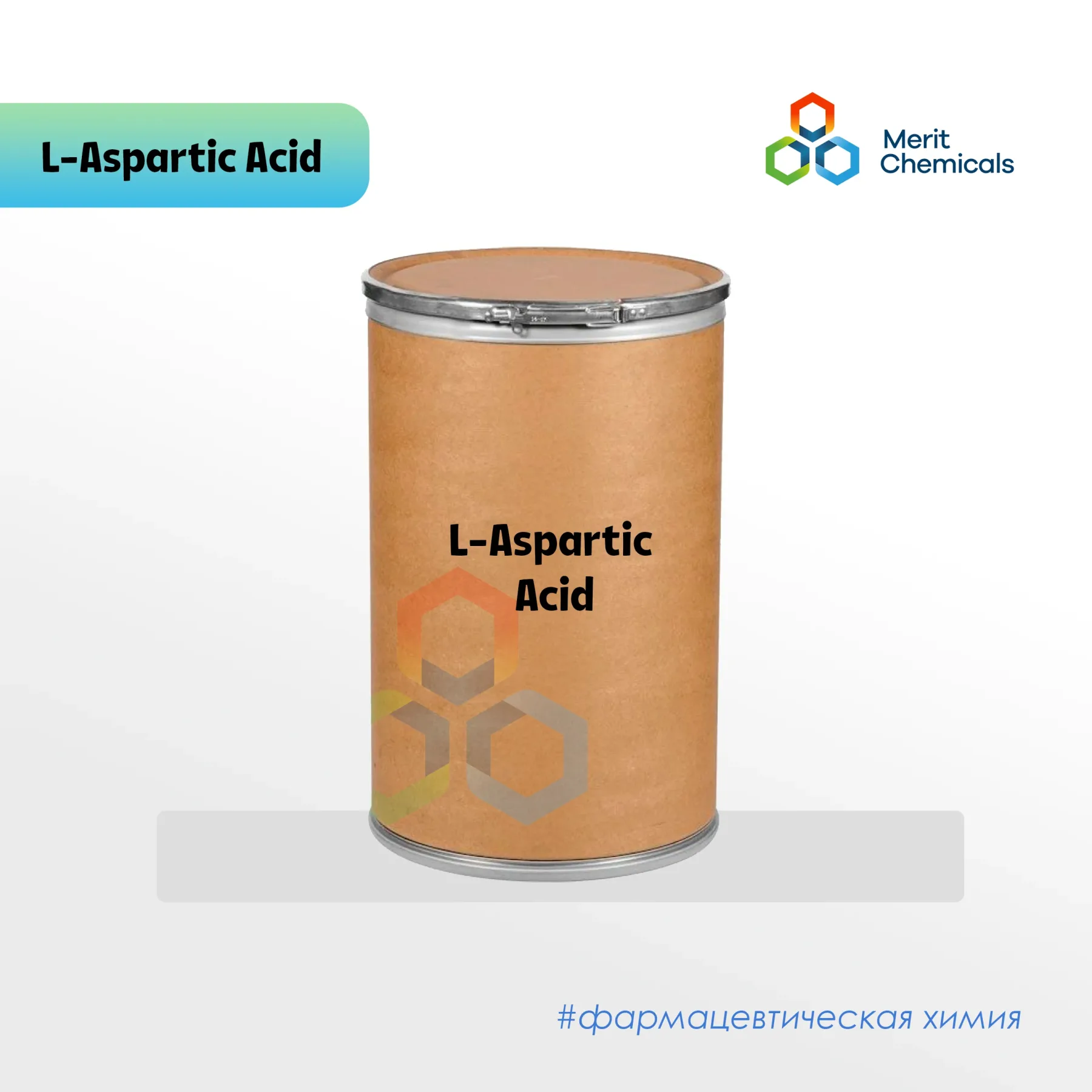
- Fiber drums (25 kg net weight) optimized for pharmaceutical and clean-room manufacturing.
- Palletized shipments secured with stretch hood film available for large wholesale orders.