Back to Catalog
Pharmaceutical Chemistry
L-Proline
Formula:
C₅H₉NO₂
GOST/CAS:
CAS 147-85-3
L-Proline (Pharmaceutical Grade) is a highly purified heterocyclic amino acid (imino acid) that serves as a critical structural component of the collagen protein. The product is a white crystalline powder, highly soluble in water, and exhibits a supreme level of purity compliant with global pharmacopoeia standards (USP, Ph. Eur., JP). Due to its exceptional capacity to stabilize protein structures and function as a compatible osmolyte, L-Proline is indispensable in the formulation of infusion solutions, cell culture media, parenteral nutrition, as well as premium dietary supplements and advanced aesthetic medicine solutions.
Applications
Pharmaceutical Manufacturing: Utilized as an active ingredient in the preparation of intravenous infusion solutions, parenteral nutrition systems, and oral therapeutic blends. It is a key component in complex formulations aimed at accelerating tissue regeneration and wound healing.
Biotechnology & Monoclonal Antibodies: Applied as a stabilizing excipient in cell culture media for mammalian cell cultivation. It prevents protein aggregation and effectively reduces the viscosity of high-concentration therapeutic antibody formulations.
Cosmetology & Dermatology: Serves as primary raw material for the manufacturing of injectable preparations (mesotherapy, biorevitalization), anti-aging serums, and topical creams. It triggers natural collagen synthesis, enhancing skin elasticity and firmness.
Sports Nutrition & Dietary Supplements: Incorporated into joint-support complexes and recovery supplements to reinforce ligaments, joints, and vascular walls, while supporting muscle metabolism following intense physical stress.
Key Advantages
GMP & Pharmacopoeia Compliance: The product undergoes multi-stage purification and rigorous testing for endotoxins, heavy metals, and related impurities, fully satisfying USP / Ph. Eur. criteria.
Protein Stabilization: Effectively shields therapeutic proteins from thermal, mechanical, and freeze-thaw stress, preserving their native conformation.
High Bioavailability: Possesses excellent solubility in aqueous environments, ensuring rapid and unobstructed absorption or seamless integration into liquid dosage forms.
Safe & Non-Animal Origin: Produced via microbial fermentation (non-animal source), completely eliminating the risk of Transmissible Spongiform Encephalopathies (TSE/BSE) and ensuring a high hypoallergenic profile.
Storage & Transportation
- Store in dry, cool, and well-ventilated warehouses in tightly sealed original packaging, away from moisture sources and strong oxidizing agents.
- Recommended storage temperature: +5 °C to +25 °C. The material is hygroscopic; ensure the airtight seal of bags is maintained.
- Protect from direct sunlight and prolonged exposure to heating elements.
- Transportation is permitted by all types of covered transport while maintaining the required temperature conditions. The product is not classified as a hazardous material (non-hazardous under ADR regulations). Shelf life is 3 years from the date of manufacture.
Technical Specifications
Appearance
White or almost white crystalline powder, odorless
Molecular Weight
115.13 g/mol
Assay (On Dried Basis)
98.5% — 101.0%
Specific Optical Rotation
-84.0° to -86.0° (C = 4 in water)
pH (5% Aqueous Solution)
5.9 — 6.9
Melting Point
~ 228 °C — 230 °C (with decomposition)
Loss on Drying
≤ 0,3% - 0,4%
Sulfated Ash
≤ 0,1%
Heavy Metals (as Pb)
≤ 10 ppm
Supply info
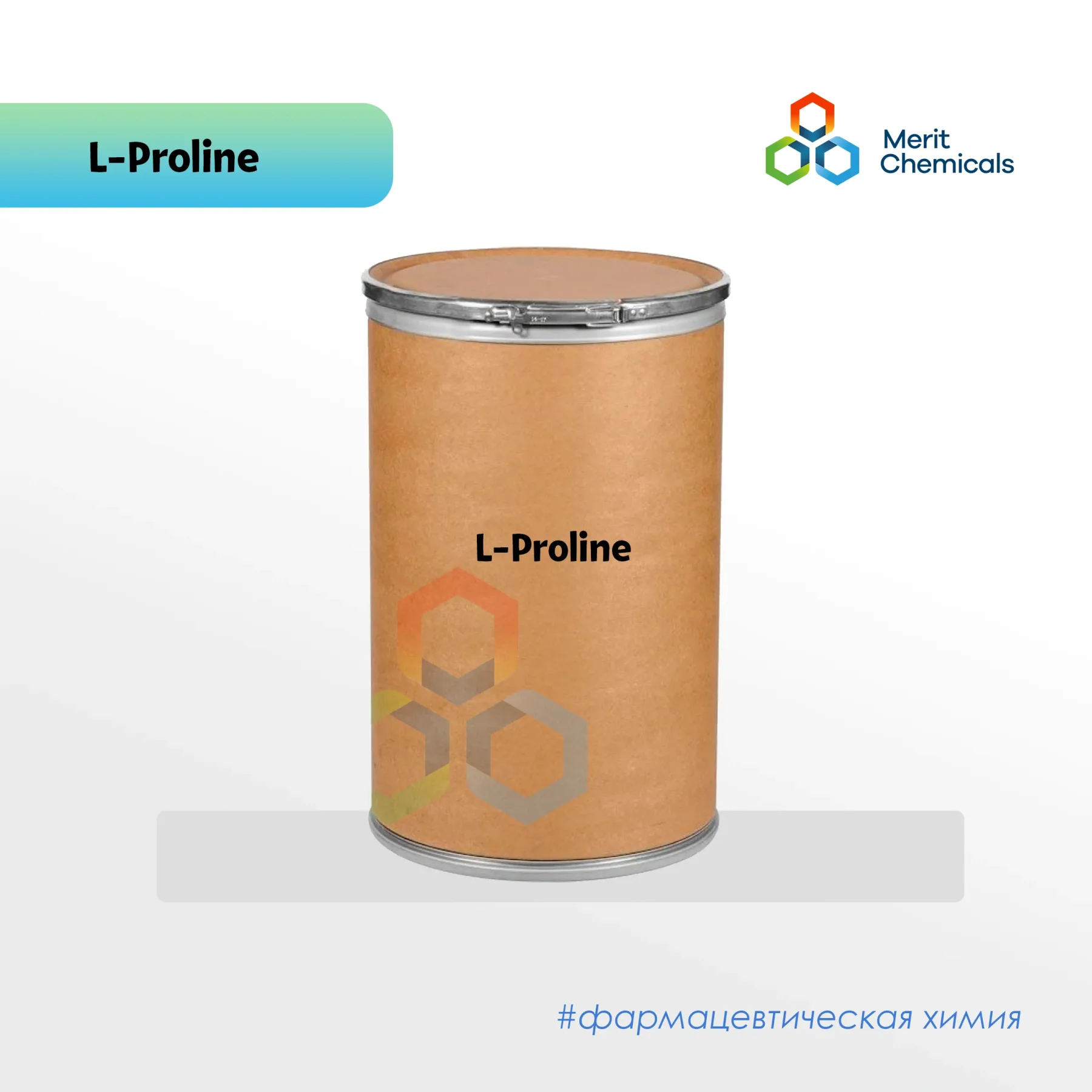
- Pharmaceutical-grade multi-layer kraft paper bags with a polyethylene inner liner of 25 kg.
- Sealed plastic buckets/drums of 10 kg and 25 kg (for small wholesale and laboratory-scale batches).
- Custom packaging options are available upon individual request to meet cleanroom regulatory requirements.