Back to Catalog
Pharmaceutical Chemistry
Linezolid
Formula:
C16H20FN3O4
GOST/CAS:
CAS 165800-03-3
Linezolid is a highly effective synthetic antibacterial agent belonging to a novel class of oxazolidinones. It possesses a unique mechanism of action, selectively inhibiting bacterial protein synthesis at the earliest stages, which prevents the development of cross-resistance with other antibiotic classes. It is used as an active pharmaceutical ingredient (API) for the manufacturing of finished dosage forms (tablets, solutions for infusion) aimed at combating severe hospital-acquired and community-acquired infections caused by multi-drug resistant Gram-positive microorganisms.
Applications
Production of Infusion Solutions: Used as an active substance to manufacture sterile hospital solutions intended for the therapy of severe pneumonia, sepsis, and complicated skin and soft tissue infections during the initial stages of inpatient treatment.
Production of Oral Dosage Forms (Tablets/Suspensions): Employed for the manufacturing of tablet formulations that provide high bioavailability (approximately 100%). This allows seamless transition of patients from intravenous administration to oral intake without losing efficacy (step-down therapy).
Hospital Sector (Clinical Indication): Finished products based on Linezolid are indispensable in intensive care units (ICUs) for treating nosocomial pneumonia, as well as infections caused by vancomycin-resistant enterococci (VRE) and methicillin-resistant Staphylococcus aureus (MRSA).
Key Advantages
Unique Mechanism of Action: Blocks the bacterial translation process before it even begins (binds to the 50S ribosomal subunit). Due to this, there is virtually no pre-existing primary resistance among target pathogens.
Maximum Bioavailability: The oral form is almost 100% absorbed, making therapy flexible, reducing hospital expenditures on IV infusion systems, and allowing faster patient discharge for outpatient care.
Activity Against "Superbugs": Exhibits pronounced bacteriostatic and bactericidal (against streptococci) activity against strains resistant to penicillins, cephalosporins, aminoglycosides, and vancomycin.
Stability and Purity of the Substance: Compliance with international quality standards (GMP, USP/EP) guarantees minimum impurity levels, high stability of the molecule during processing, and a predictable safety profile.
Storage & Transportation
- Store in the original airtight manufacturer's packaging in a dry, dark place at a temperature not exceeding +25°C.
- Avoid exposure to direct sunlight, moisture, and sudden temperature fluctuations that can cause degradation of the active substance.
- Keep out of reach of children, away from strong-smelling and chemically active substances.
- Transportation is carried out by all types of covered transport in accordance with the regulations for the transport of pharmaceuticals and raw materials. Shelf life of the substance is 2 to 3 years from the date of manufacture (depending on the manufacturer's specifications).
Technical Specifications
Appearance
White or almost white crystalline powder, odorless.
Assay
98.0% – 102.0% (on dried basis).
Solubility
Sparingly soluble in water, freely soluble in methanol and chloroform.
Melting Point
181°C – 185°C.
Loss on Drying
Not more than 0.5%
Residual Solvents
Meets USP / EP requirements (Class 2, 3).
Sulfated Ash
Not more than 0.1%
Supply info
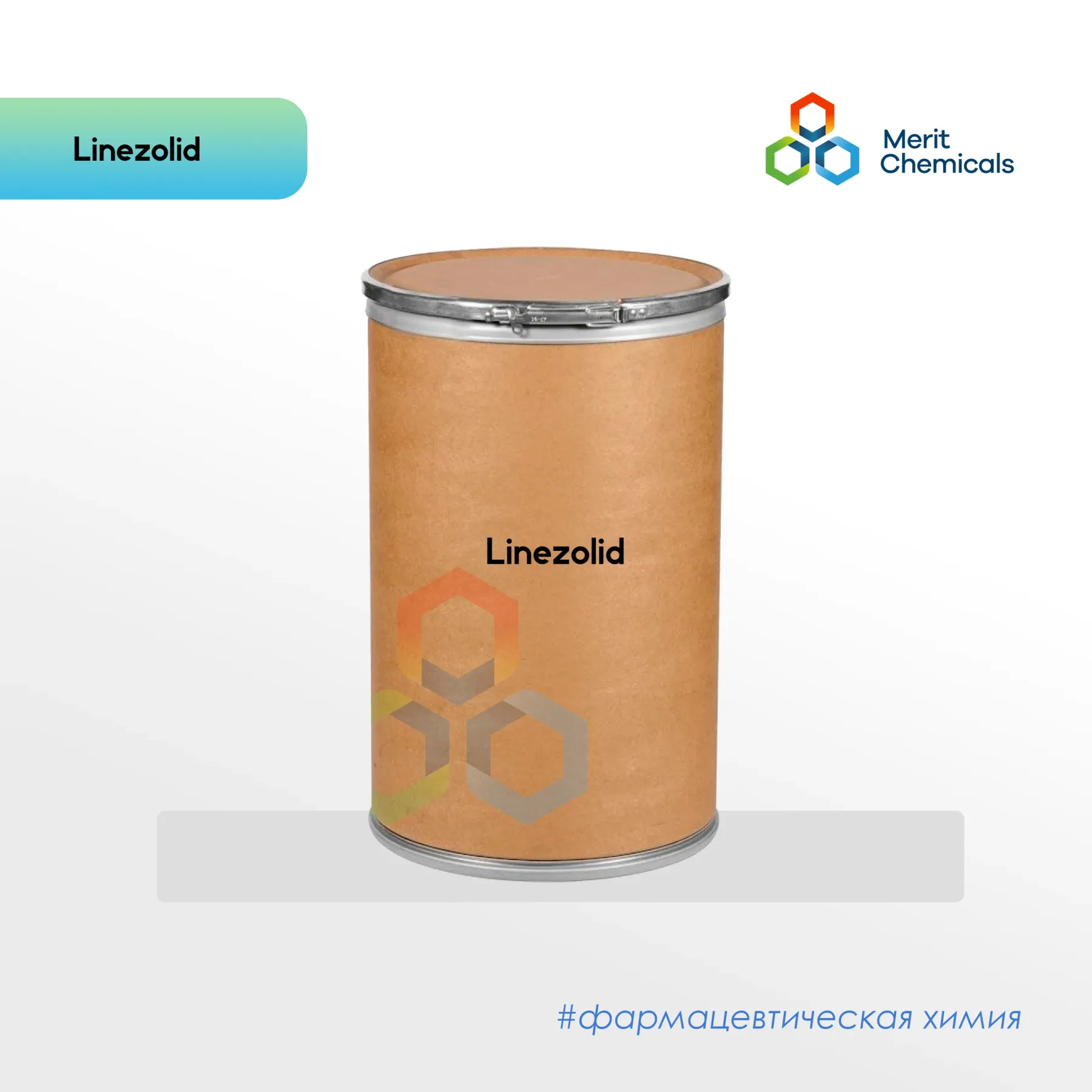
- Packed in double polyethylene bags inside airtight fiber/plastic drums (cardboard drums) of 10 kg / 25 kg.
- Small packaging available for laboratory and R&D purposes (upon agreement).
- Full set of documentation provided: Certificate of Analysis (CoA), COAS, DMF, GMP Certificate.