Back to Catalog
Pharmaceutical Chemistry
Famotidine
Formula:
C8H15N7O2S3
GOST/CAS:
CAS: 76824-35-6
Famotidine is a highly effective active pharmaceutical ingredient (API) belonging to the class of 3rd-generation H2-receptor antagonists. The product is a white to yellowish-white crystalline powder, practically insoluble in water and sparingly soluble in ethanol. It exhibits potent and long-acting inhibition of both basal and stimulated gastric acid secretion. It is widely used as a primary active ingredient for manufacturing finished dosage forms, including tablets and sterile solutions for injection.
Applications
Solid Dosage Form Production: Used as the primary active ingredient for manufacturing film-coated tablets (typically in 20 mg and 40 mg dosages) indicated for the treatment of peptic ulcers and gastritis.
Sterile Solution Manufacturing: Applied in the preparation of lyophilized powders and intravenous injection solutions used in hospital settings for emergency therapy of acute gastroduodenal hemorrhages.
Anti-Ulcer Therapy: The final medical product is prescribed for treating gastric and duodenal ulcers, GERD, Zollinger-Ellison syndrome, and preventing gastric acid aspiration during anesthesia.
Key Advantages
High Antisecretory Activity: Effectively reduces both the total volume of gastric juice and the concentration of hydrochloric acid and pepsin within it. It is significantly more potent and longer-acting than cimetidine and ranitidine.
Purity and Stability: Fully complies with the stringent quality standards of major global pharmacopoeias (USP, EP, BP). It exhibits high stability under recommended storage conditions, ensuring a long shelf life for finished medicinal products.
Low Side-Effect Profile: Unlike 1st-generation H2-blockers, it has virtually no effect on serum prolactin levels, displays no antiandrogenic effects, and has minimal interaction with the hepatic cytochrome P450 enzyme system.
Excellent Pharmaceutical Compatibility: Blends seamlessly with standard excipients (lactose, microcrystalline cellulose, starch, magnesium stearate) for both direct compression and wet granulation processes.
Storage & Transportation
- Store in a cool, dry, and well-ventilated area, protected from direct sunlight and moisture, in the original tightly sealed manufacturer's packaging. Keep out of reach of children.
- Recommended storage temperature: Do not exceed +25 °C.
- Transportation is permitted by all modes of covered transport in strict compliance with standard cargo regulations. The product is non-hazardous and is not classified as a dangerous good (No ADR/RID Class 9 restriction).
- Shelf Life: 3 to 5 years from the manufacturing date (depending on the production site, subject to maintaining original packaging integrity).
Technical Specifications
Appearance
White or yellowish-white crystalline powder
Molecular Weight
337.45 g/mol
Assay (HPLC)
≥ 98.5% (on dried basis)
Melting Point
163 – 164 °C (with decomposition)
Solubility
Practically insoluble in water, sparingly soluble in ethanol, freely soluble in dimethylformamide and glacial acetic acid
Sulfated Ash
≤ 0.1%
Supply info
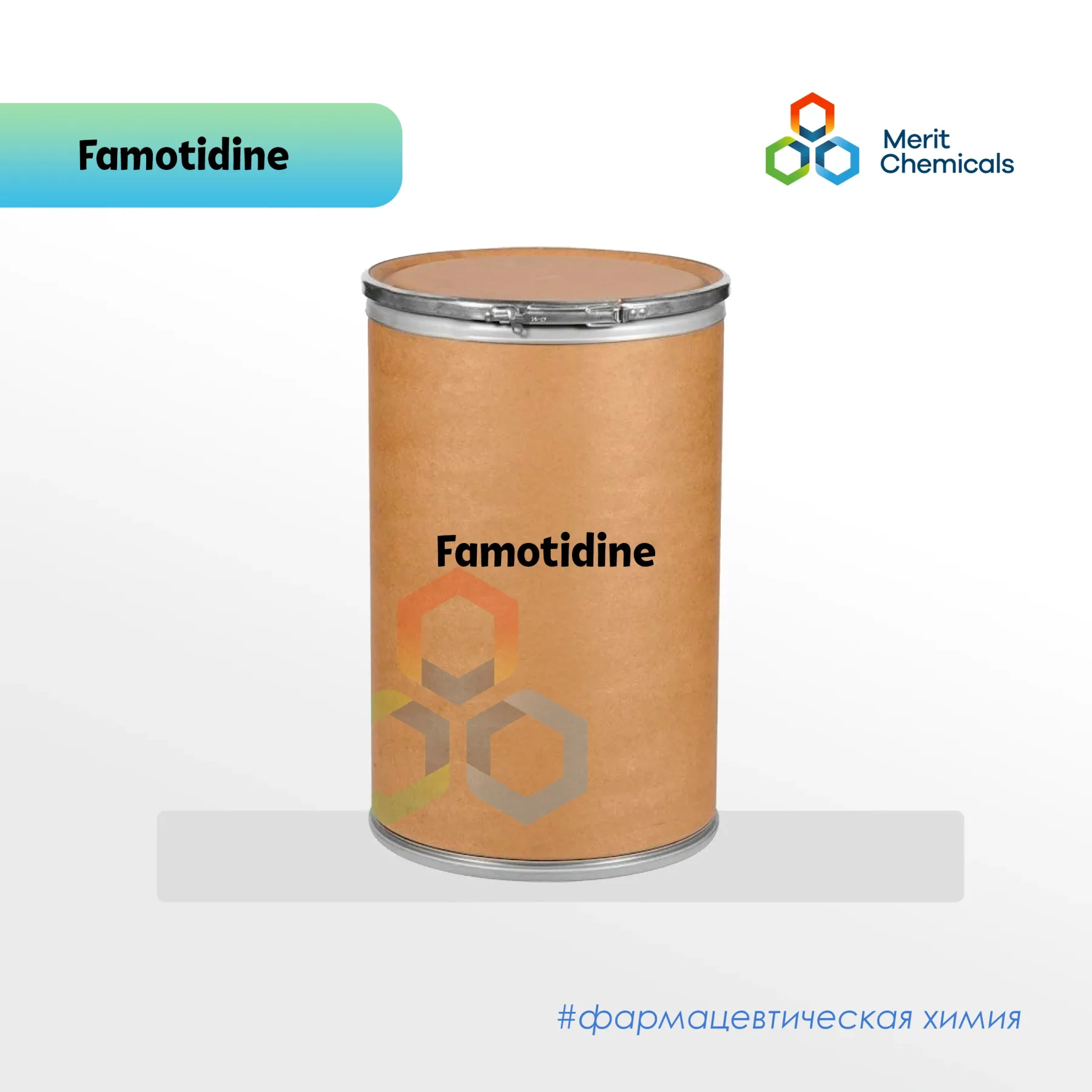
- Double-sealed airtight polyethylene bags packed inside durable fiber drums of 25 kg net weight (standard industrial packaging for APIs).
- For pilot batches, small-scale production, or laboratory testing, custom packaging in sealed aluminum foil bags of 1 kg and 5 kg is available upon request.