Back to Catalog
Construction Chemistry
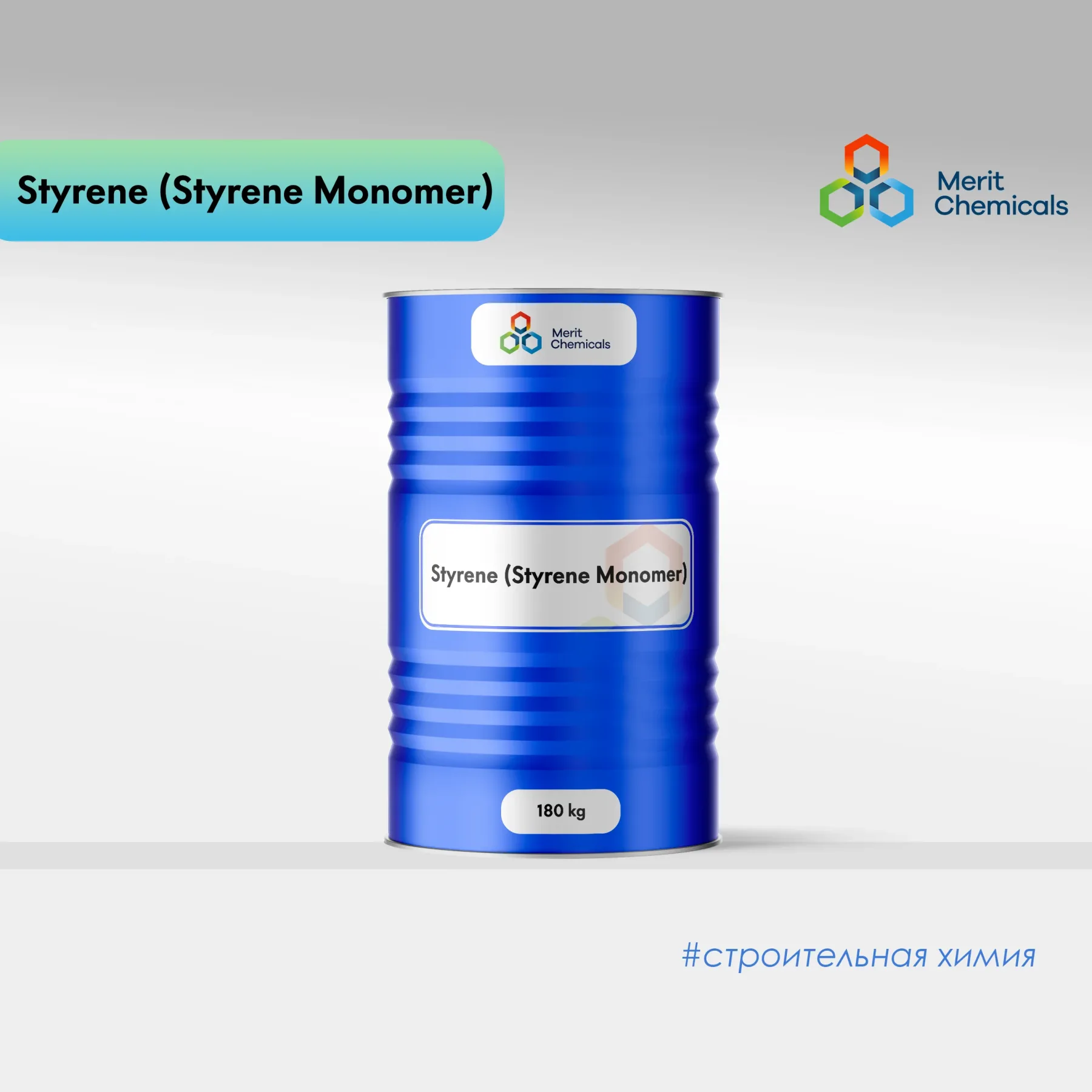
Styrene (Styrene Monomer)
Formula:
C8H8
GOST/CAS:
ГОСТ 10003-90 / 100-42-5
Styrene monomer is a colorless, transparent liquid with a distinctive odor. It is a crucial basic monomer in the petrochemical industry. Due to its high reactivity, it is an indispensable raw material for the synthesis of a wide range of polymers, plastics, and synthetic rubbers used in the automotive, construction, packaging, and electronics industries.
Applications
Polystyrene (PS) Production: Used as the primary raw material for producing general-purpose polystyrene (GPPS), high-impact polystyrene (HIPS), and expandable polystyrene (EPS) for insulation and packaging.
Engineering Plastics (ABS, SAN): Used in copolymerization with acrylonitrile and butadiene to create high-strength structural plastics for home appliances, electronics, and automotive components.
Synthetic Rubbers: A key component in the production of styrene-butadiene rubbers (SBR) and thermoplastic elastomers (SBS), which are widely used in the tire and footwear industries.
Unsaturated Polyester Resins: Acts as a comonomer and active solvent in the production of fiberglass, artificial stone, self-leveling floors, and paint and varnish coatings.
Key Advantages
High Reactivity: Ensures rapid and predictable polymerization and copolymerization reactions with a wide range of other monomers.
Versatility of End Products: Enables the production of materials with completely different properties: from rigid and transparent plastics to highly elastic rubbers.
Excellent Polymer Characteristics: Styrene-based materials feature outstanding dielectric properties, moisture resistance, dimensional stability, and ease of processing.
Quality Stability: A highly purified product stabilized with a special inhibitor (usually TBC - tert-butylcatechol) to prevent spontaneous polymerization when stored correctly.
Storage & Transportation
- Store in a cool, well-ventilated area at a temperature not exceeding 20°C (preferably below 15°C).
- Protect from direct sunlight, heat sources, sparks, and open flames (highly flammable liquid).
- Avoid contact with strong oxidizing agents, acids, and metal salts (copper, iron).
- Regular monitoring of the inhibitor concentration is required. Shelf life is limited (typically 1 to 3 months, depending on the storage temperature).
Frequently bought together
Technical Specifications
Appearance
Colorless oily liquid
Density
0.909 g/cm³
Melting point
-30.6 °C
Boiling point
145.2 °C
Flash point
31.1 °C (closed cup)
Supply info
- Specially coated 216-liter metal drums (net weight 180 kg).
- Bulk: temperature-controlled tank containers (ISO tanks), road tankers, and specialized railway tank cars.