Back to Catalog
Construction Chemistry
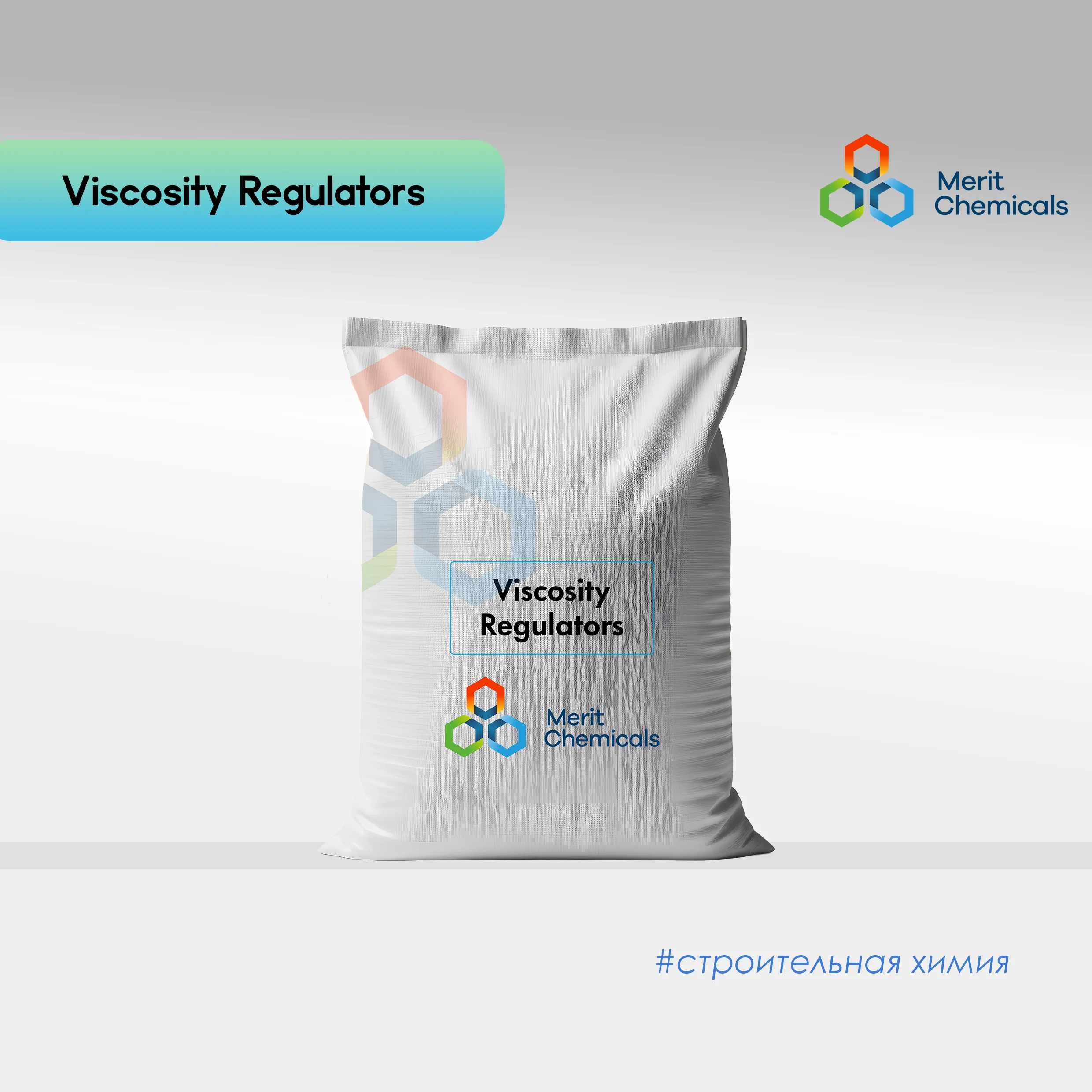
Viscosity Regulators (Thickeners)
Viscosity regulators (rheological additives, thickeners) are specialized components designed to modify and control the flowability of liquid and paste-like materials. They allow for the creation of the required product structure (from easy-flowing liquids to thick pastes). In paints and construction materials, they prevent pigments from settling at the bottom of the container, improve paint leveling, facilitate application, and reliably protect against unwanted sagging on vertical surfaces.
Applications
Paint and Coatings Industry: Used to adjust the viscosity of water-dispersion, alkyd, and other paints. Ensure good leveling, prevent spattering during roller or brush application, and protect against sagging.
Dry Building Mixes: Added (usually cellulose ethers) to plasters, putties, and tile adhesives to retain water, increase plasticity, improve adhesion, and prevent the mortar from slipping off the wall.
Household Chemicals and Cosmetics: Applied as thickeners for gels, detergents, liquid soaps, and shampoos to achieve consumer-grade consistency and product stability.
Oil Production Industry: Used in drilling fluids to regulate their rheological profile, reduce fluid loss, and increase the carrying capacity of drilled cuttings.
Key Advantages
Optimal Rheology Control: Provides perfect balance: the material is easy to apply (viscosity reduction under shear) and does not run off the surface (instant viscosity recovery at rest).
Prevention of Separation (Anti-settling): Stabilizes the system, keeping heavy pigments and fillers in suspension, preventing them from settling during long-term storage.
Cost-effectiveness and High Efficiency: Requires minimal dosage (typically 0.1% to 1.5% of total weight) to achieve the desired thickening effect, reducing the final cost of the product.
Versatility and Excellent Compatibility: Easily introduced into the formulation at various production stages and mixes well with most binders (acrylics, alkyds, epoxies) without forming lumps.
Storage & Transportation
- Store in a dry, cool, and well-ventilated place. For liquid forms — strictly protect from freezing (storage temperature is usually above +5°C).
- For powder forms (cellulose thickeners) — avoid high humidity, as the product is hygroscopic. Containers must always be hermetically sealed.
- Protect from direct sunlight and heat sources.
- Shelf life: 12 – 24 months (depending on the chemical nature of the regulator and manufacturer's recommendations).
Frequently bought together
Technical Specifications
Appearance
White/yellowish powder or transparent/cloudy viscous liquid (depending on type)
Mass fraction of active substance
20% - 100% (depending on type)
pH level (1% solution)
6.0 - 8.5
Density (at 20°C)
~1.00 - 1.15 g/cm³ (for liquid forms)
Solubility
Water (for water-based systems) or specific solvents
Supply info
- Multi-layer paper bags with a polyethylene moisture-resistant liner, 20 kg / 25 kg (for powder viscosity regulators).
- Tightly closing plastic canisters 20 kg / 30 kg or metal/plastic drums 200 kg (for liquid polyurethane and acrylic additives).
- IBC containers 1000 kg (for large industrial production on pre-order).