Back to Catalog
Pharmaceutical Chemistry
Betamethasone
Formula:
C22H29FO5
GOST/CAS:
CAS 378-44-9
Betamethasone is a highly potent synthetic glucocorticosteroid (GCS) and a fluorinated derivative of prednisolone. It exhibits profound anti-inflammatory, anti-allergic, anti-shock, and immunosuppressive activities. The product is a micronized, white to almost white crystalline powder that is practically insoluble in water. Due to its high biological activity and minimal mineralocorticoid effect, betamethasone serves as an indispensable Active Pharmaceutical Ingredient (API) for a wide range of dosage forms in the modern healthcare industry.
Applications
Manufacture of Topical Dosage Forms Utilized as the core active ingredient in the formulation of ointments, creams, lotions, and gels for treating steroid-responsive dermatoses, eczema, psoriasis, and allergic dermatitis.
Injectable Preparations (Suspensions & Solutions) Used to develop injectable ampoules and vials (frequently formulated as a combination of betamethasone sodium phosphate and betamethasone acetate) for systemic, intra-articular, and peri-articular administration in severe inflammatory and rheumatic diseases.
Systemic Dosage Forms Serves as the raw material for compressing oral tablets and compounding oral suspensions or solutions indicated for acute allergic states, asthma, and autoimmune conditions.
Ophthalmology and Otolaryngology Incorporated into combination eye and ear drops to effectively suppress localized, severe inflammatory and allergic ocular/otic responses.
Key Advantages
High Anti-Inflammatory Potency: The presence of a fluorine atom and a methyl group in its molecular structure ensures that therapeutic efficacy is achieved at significantly lower doses compared to hydrocortisone or prednisolone.
Minimal Sodium and Water Retention: The modified molecular structure induces virtually no edema and exerts negligible effects on fluid-electrolyte balance (very low mineralocorticoid activity).
Pharmaceutical Stability: The substance strictly complies with leading global pharmacopeias (USP, EP, BP) and remains highly stable during technological processing, including micronization and blending.
Versatility of Modifications: Easily synthesized into various ester forms (dipropionate, valerate, sodium phosphate, acetate), allowing precise control over absorption rates and duration of therapeutic action (prolongation).
Storage & Transportation
- Store in dry, clean, cool warehouse facilities in the manufacturer’s original, tightly sealed packaging.
- Recommended Temperature: +2°C to +8°C (or in strict accordance with the manufacturer's specification sheet), protected from light.
- The substance is classified as a potent compound (GHS08 — health hazard). Handling personnel must wear appropriate personal protective equipment (PPE), including respirators, gloves, and safety goggles when dealing with the powder.
- Transportation must be carried out via all types of covered transport in strict compliance with regulations governing temperature-sensitive pharmaceutical materials. Shelf life is 3–5 years from the date of manufacture (provided original packaging integrity is maintained).
Technical Specifications
Appearance
White to almost white, odorless crystalline powder
Assay (Purity)
97.0% – 103.0% (calculated on the dried basis according to USP/EP)
Melting Point
235°C – 237°C (with decomposition)
Specific Optical Rotation
+118° to +126° (in dioxan)
Solubility
Practically insoluble in water, sparingly soluble in ethanol (96%), freely soluble in acetone
Loss on Drying
Not more than 0.5%
Supply info
- 1 kg and 5 kg plastic or aluminum bottles / bags for pilot and R&D scale batches.
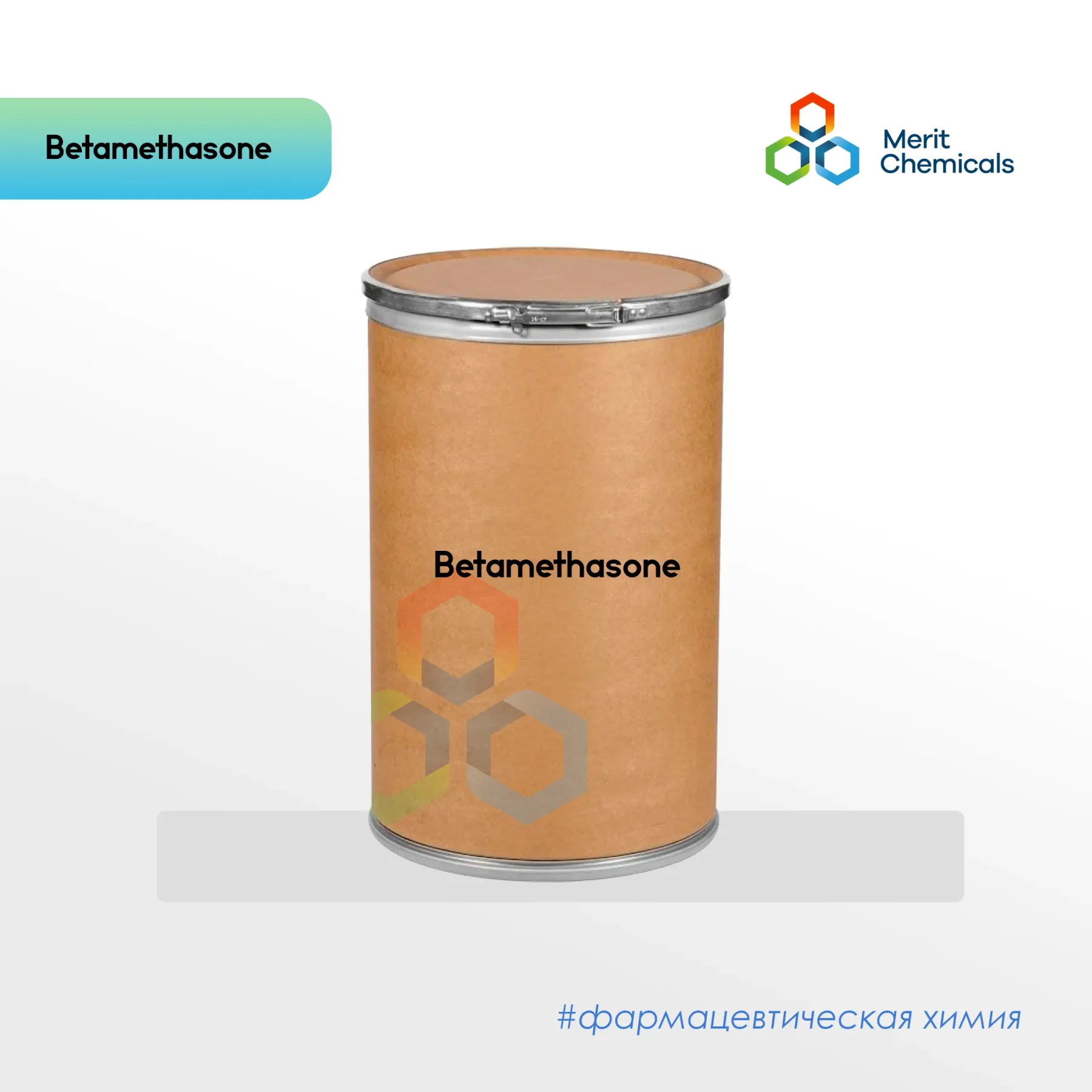
- 10 kg and 25 kg fiber drums with double internal polyethylene liners tailored for large-scale commercial manufacturing.