Back to Catalog
Polymers
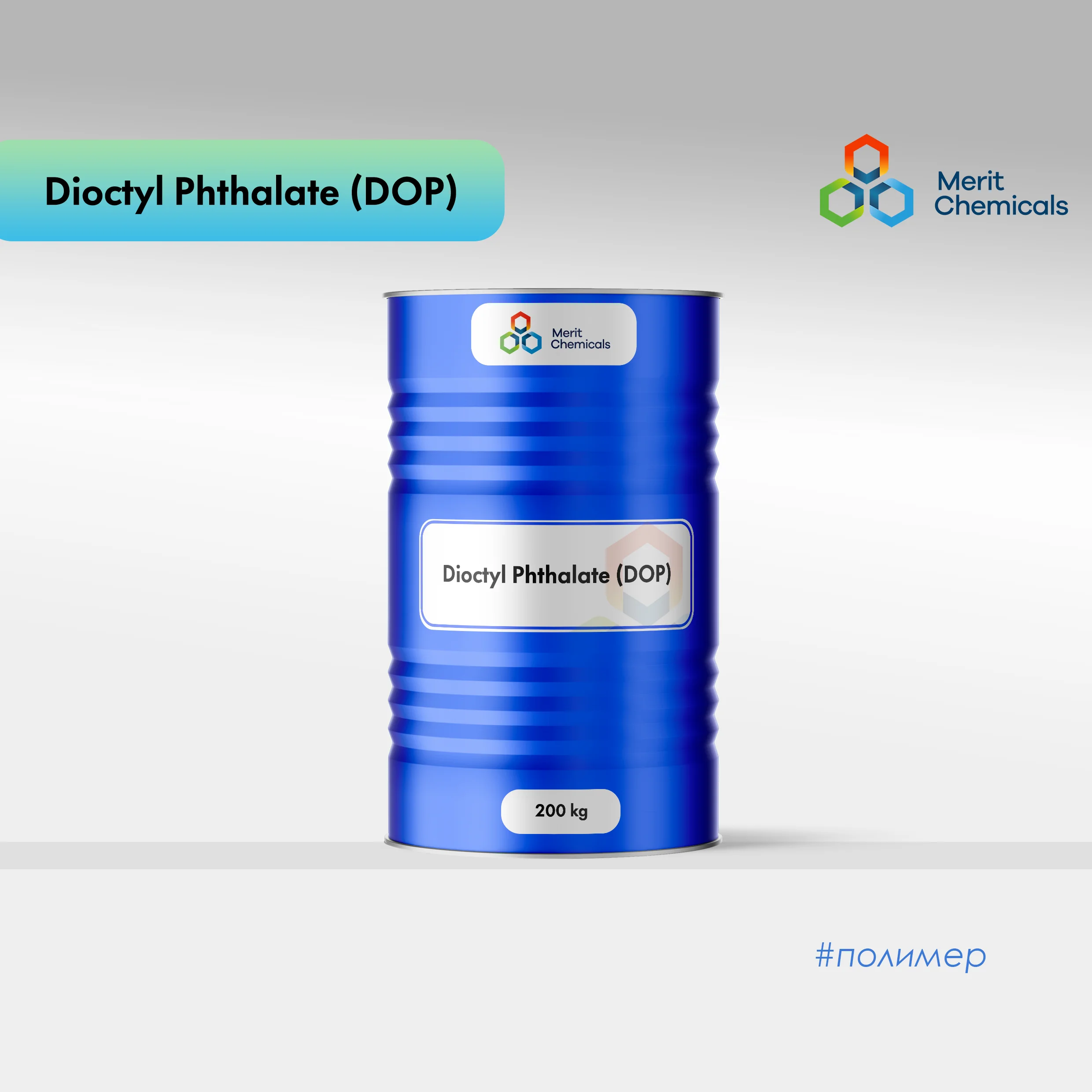
Dioctyl Phthalate (DOP)
Formula:
C₂₄H₃₈O₄
GOST/CAS:
ГОСТ 8728-88
DHAP (Dihydroxyacetone phosphate, typically supplied as stable sodium or lithium salts) is a high-purity biochemical macromonomer and a crucial metabolic intermediate in carbohydrate metabolism (glycolysis and gluconeogenesis). It serves as a key active raw component for biotechnological synthesis, pharmaceutical manufacturing, and specialized dietary supplements. The product is a white or almost white crystalline powder, highly soluble in water. Due to its unique role at the crossroads of lipid and carbohydrate metabolic pathways, DHAP is indispensable in the development of energy correctors, antihypoxants, and tissue metabolism regulators.
Applications
Pharmaceutical Manufacturing: Functions as a core Active Pharmaceutical Ingredient (API) for the synthesis of metabolic medications aimed at restoring cellular energy exchange, correcting lipid profiles, and protecting tissues from ischemic injury.
Sports Medicine & Dietary Supplements: Used in complex formulations to optimize metabolism, accelerate glycogen regeneration, regulate fat metabolism, and enhance overall endurance under peak physical loads.
Clinical Nutrition: Incorporated into specialized nutraceutical formulas to support patients with metabolic disorders, as well as in intensive cellular energy recovery programs.
Laboratory Research: Applied as a high-purity biochemical reagent in molecular biology, enzymology (for studying glycolytic enzymes, particularly aldolase and triosephosphate isomerase), and targeted biotechnological synthesis.
Key Advantages
Central Metabolic Role: DHAP directly participates in shunting carbohydrate metabolism, acting as a bridge between glycolysis and lipid biosynthesis, which allows for flexible modulation of the cell's energy balance.
Stability & Purity: Manufactured in strict accordance with GMP standards (in the form of a stable salt), ensuring minimal content of related impurities, excellent shelf-life of the active substance, and an outstanding solubility profile.
High Bioenergetic Potential: Rapidly integrates into enzymatic pathways, facilitating ATP generation and maintaining the pool of phosphorylated sugars under metabolic stress conditions.
Eco-Friendliness & Biosafety: A fully biocompatible endogenous component. The product is non-toxic, exhibits no mutagenic effects, and is completely safe for the environment when disposed of properly.
Storage & Transportation
- Store in dry, cool, and light-protected warehouse facilities in tightly sealed original packaging.
- Recommended Temperature Range: -20°C to +4°C (depending on the specific salt form; deep freezing is required to maintain long-term stability of the substance, though brief transport at higher temperatures is permissible according to specifications).
- Avoid exposure to direct sunlight and moisture, as the product is highly hygroscopic and labile.
- Transportation is permitted via all types of covered transport, provided that the required temperature control (reefer/refrigerated containers) is strictly maintained. The material is classified as non-hazardous cargo. Shelf life — 2 years (under proper temperature-controlled storage conditions).
Frequently bought together
Technical Specifications
Appearance
White or almost white crystalline powder
Molecular Weight
~170.06 g/mol (for free acid; varies depending on the salt form)
Assay (Main component)
98.0% – 102.0%
Moisture Content
Not more than 5.0%
pH (5% aqueous solution)
5.0 – 6.5
Heavy Metals Content
≤ 10 ppm
Supply info
- Multi-wall pharmaceutical bags or kraft drums with a double polyethylene liner: 10 kg / 25 kg.
- Small packaging in airtight aluminum bags or vials: 100 g / 1 kg / 5 kg (for laboratory, pilot, and R&D series).