Back to Catalog
Construction Chemistry
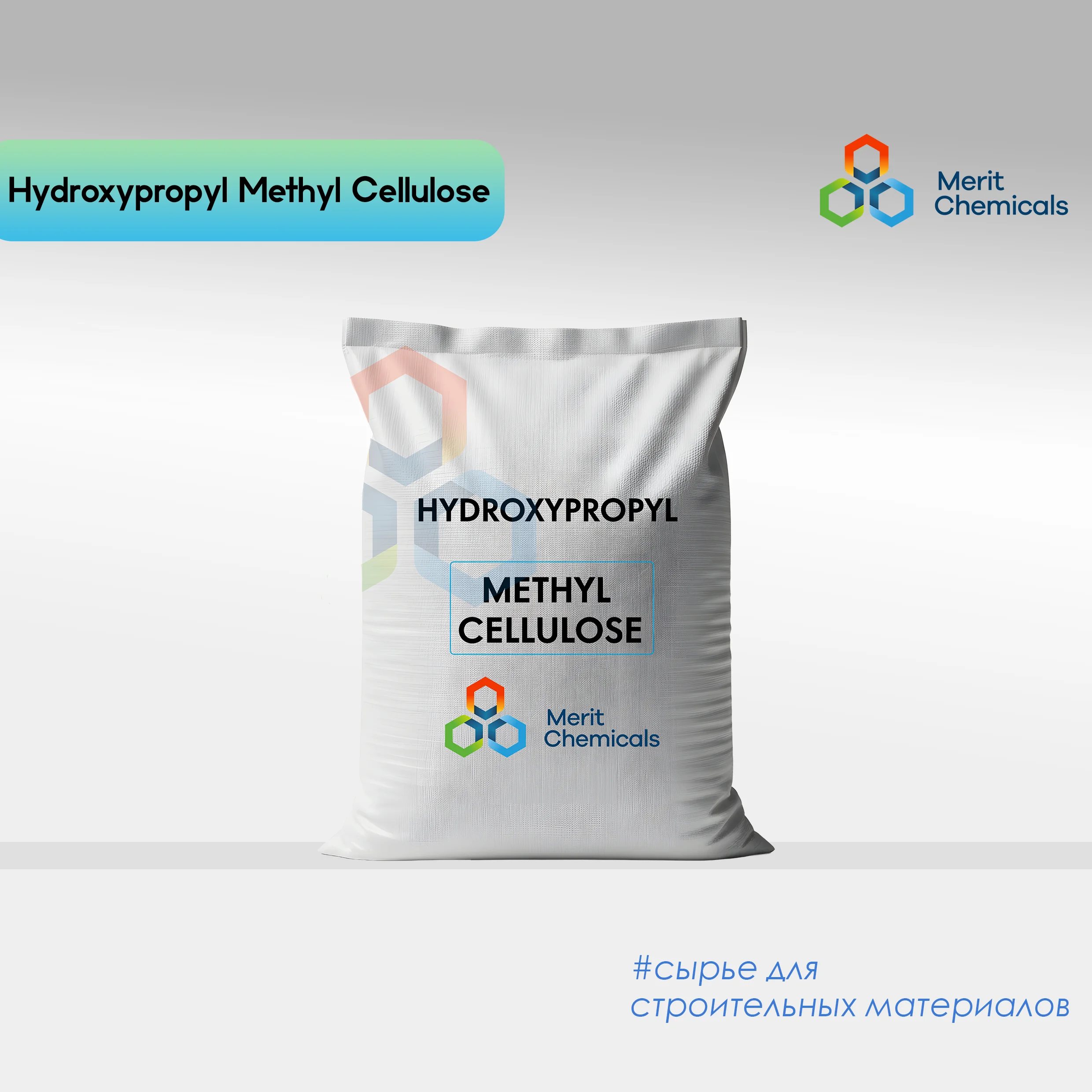
HPMC (Hydroxypropyl Methylcellulose)
Formula:
C₅₆H₁₀₈O₃₀
GOST/CAS:
CAS 9004-65-3
HPMC (Hydroxypropyl Methylcellulose / Hypromellose) is a highly purified, semi-synthetic, multifunctional cellulose-based polymer that serves as a key excipient in pharmaceutical manufacturing, food processing, and cosmetics. The product is a white to off-white, fibrous or granular powder, readily soluble in cold water to form a clear colloidal solution. Due to its unique physicochemical properties, HPMC is indispensable as a thickener, stabilizer, binder, and controlled-release agent for active substances.
Applications
Tile Adhesives and Grouts: Used as the primary water-retaining agent. It significantly extends the open time of the adhesive, prevents rapid water absorption into the substrate, and completely eliminates the sagging of heavy tiles on vertical surfaces.
Plasters and Wall Renders/Putties: Applied in cement, gypsum, and lime-based formulations to increase plasticity and prevent cracking during the drying process. It ensures smoother application, easier troweling, and reduces labor effort.
Self-Leveling Underlayments/Flooring: Regulates the viscosity and fluidity of the mortar. It prevents segregation, sedimentation (settling of heavy particles), and the formation of pinholes or air bubbles on the finished floor surface.
External Thermal Insulation Systems (ETICS/EIFS): Included in adhesive and base coat mortars for mounting insulation materials (such as mineral wool or expanded polystyrene), guaranteeing maximum bonding strength.
Key Advantages
Controlled Release: Allows for precise regulation of the diffusion rate of active pharmaceutical ingredients (APIs) in the gastrointestinal tract by forming a stable hydrogel barrier upon tablet hydration.
Optimal Thickening and Rheology: Imparts ideal plasticity and structural stability to dry-mix mortars. The mixtures can be applied easily with tools, do not stick to the trowel, and retain their shape perfectly.
High Adhesion and Sag Resistance: Significantly enhances the bond strength between the mortar and any mineral substrate, minimizing the displacement or slippage of tiles and decorative elements during installation.
Eco-Friendly and Bio-Stable: A biostable material resistant to enzymatic degradation. It does not release harmful volatile organic compounds (VOCs) and is safe for human health and the environment.
Storage & Transportation
- Store in dry, cool, and light-protected warehouses in tightly closed original packaging (avoid compromising seal integrity).
- Recommended temperature range: in a dry place at a temperature not exceeding 30°C. The product is hygroscopic and must be protected from atmospheric moisture.
- Avoid mechanical pressure and heavy stacking of bags during warehousing to prevent caking or clumping of the powder.
- Transportation is permitted via all types of covered vehicles, provided temperature and humidity compliance is maintained. The material is not classified as hazardous cargo (Class 9 non-applicable). Shelf life is 3 years.
Frequently bought together
Technical Specifications
Appearance
White, off-white, or yellowish-white powder or granules
Molecular Weight
From ~10,000 to ~1,500,000 g/mol (depending on viscosity grade)
Assay (Purity)
≥ 98.0%
Methoxy Content
19.0% – 30.0% (depending on type, e.g., K or E)
Hydroxypropoxy Content
4.0% – 12.0%
Loss on Drying (Moisture)
Not more than 5.0%
pH (2% Aqueous Solution)
5.0 – 8.0
Heavy Metals
≤ 10 ppm
Sulfated Ash
Not more than 1.5%
Supply info
- Pharmaceutical & Food Grade Packaging: Multi-layer paper bags or kraft fiber drums with a double polyethylene inner liner at 25 kg net weight.
- Laboratory Packaging: Hermetic aluminum or plastic pouches/bottles at 1 kg / 5 kg (ideal for laboratory testing, R&D departments, and pilot trial batches).